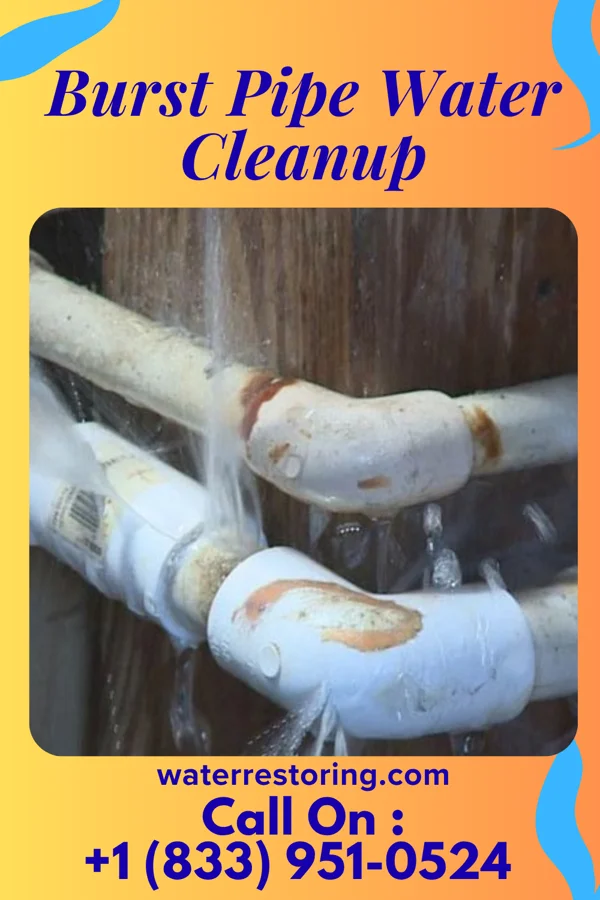
Burst Pipes Across Charlotte Neighborhoods
Every Charlotte neighborhood has its own water damage risk profile. Charlotte's aging infrastructure and high population density increase the risk of burst pipes, especially in older neighborhoods. The city's reliance on underground water systems and frequent heavy rainfall can lead to sudden pressure changes, causing unexpected pipe failures. dominates Charlotte restoration calls. A close second is The presence of large commercial and residential developments in Charlotte, combined with the city's high water usage, contributes to increased strain on municipal water lines. Additionally, the proximity to industrial zones may introduce chemical contaminants that corrode pipes over time..
Charlotte's climate, marked by frequent rain and high humidity, creates a challenging environment for plumbing systems. The combination of heavy rainfall and high groundwater levels can lead to pipe corrosion and bursts, particularly in older or poorly maintained systems.
Water damage in Charlotte follows local risk patterns: Charlotte's aging infrastructure and high population density increase the risk of burst pipes, especially in older neighborhoods. The city's reliance on underground water systems and frequent heavy rainfall can lead to sudden pressure changes, causing unexpected pipe failures. accounts for most calls. Charlotte's climate, marked by frequent rain and high humidity, creates a challenging environment for plumbing systems. The combination of heavy rainfall and high groundwater levels can lead to pipe corrosion and bursts, particularly in older or poorly maintained systems. Charlotte's high humidity levels and frequent rainfall create ideal conditions for mold growth after a burst pipe. Prompt water extraction and drying are critical to prevent mold contamination in homes and businesses.