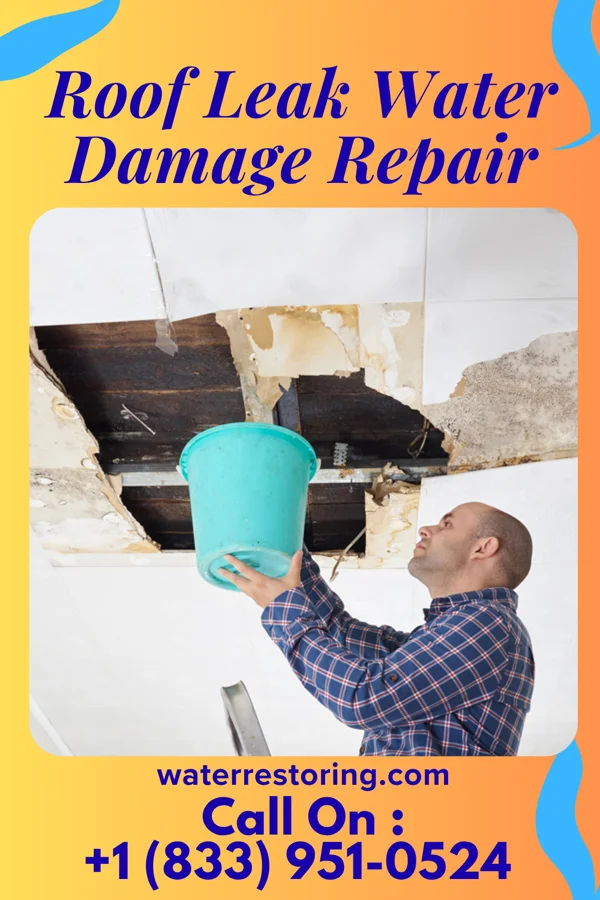
Active Roof Leak Containment in Charlotte
In Charlotte, the leading cause of water damage emergencies is Charlotte experiences frequent thunderstorms and heavy rainfall, especially during the late spring and summer months. These storms can lead to sudden roof leaks and water damage, particularly in older or poorly maintained roofing systems. The region's humid climate also increases the risk of water infiltration during prolonged rain events.. A close second is In the fall, Charlotte can see a surge in severe weather, including hurricanes and tropical storms that may impact the area. These events can cause widespread water damage, including roof leaks, that require immediate attention. Winter snow and ice can also contribute to roof damage in the region.. The clock starts the moment water touches your property.
Charlotte's humid subtropical climate means that moisture and humidity levels remain high year-round, increasing the likelihood of mold growth and water damage. The combination of frequent rain and warm temperatures creates an ideal environment for water-related issues.
Charlotte's humid subtropical climate means that moisture and humidity levels remain high year-round, increasing the likelihood of mold growth and water damage. The combination of frequent rain and warm temperatures creates an ideal environment for water-related issues. The dominant local driver is Charlotte experiences frequent thunderstorms and heavy rainfall, especially during the late spring and summer months. These storms can lead to sudden roof leaks and water damage, particularly in older or poorly maintained roofing systems. The region's humid climate also increases the risk of water infiltration during prolonged rain events., with In the fall, Charlotte can see a surge in severe weather, including hurricanes and tropical storms that may impact the area. These events can cause widespread water damage, including roof leaks, that require immediate attention. Winter snow and ice can also contribute to roof damage in the region. a frequent secondary cause. Water damage progresses in stages: spread, absorption, microbial growth, structural compromise — each stage compounds the cost.